
Generative AI is rapidly transforming how we interact with technology and the creative process itself. In this post, we will explore the fundamentals of generative AI, covering a wide range of domains such as Large Language Models (LLMs), Computer Vision, Audio Generation, and Multimodal Models. Additionally, we’ll delve into various AI-powered platforms that enable users to experiment with these cutting-edge technologies in practical and innovative ways.
What’s Generative AI ?
Generative AI refers to a type of Artificial Intelligence (AI) that can create new content using Deep Learning (DL) models. Unlike traditional AI, which primarily analyzes or categorizes existing data, generative AI models are designed to learn patterns and structures from a dataset and then use that knowledge to produce entirely new outputs. Generative AI models can generate human-like text, compose music, create videos, and even combine all three elements into cohesive creations. They can be classified into several categories based on their focus areas: Large Language Models, Computer Vision, Audio Generation, and Multimodal Models.
Large Language Models

A Large Language Model (LLM) is a type of AI model trained on vast amounts of text data to understand and generate human-like language. Its scope includes tasks such as text generation, text summarization, question answering, translation, code generation. Here’s a short description of each task with LLM:
- Text Generation: Creating coherent and contextually relevant text, such as articles, stories, or dialogues, based on a given prompt or input.
- Code Generation: Writing functional code snippets or programs in various programming languages based on natural language descriptions or specific requirements.
- Text Summarization: Condensing long documents or passages into shorter versions while retaining the key points and overall meaning.
- Question Answering: Providing accurate and concise answers to user queries by understanding context and extracting relevant information from data.
- Translation: Converting text from one language to another while preserving its meaning, tone, and nuances for seamless cross-language communication.
Each task showcases the versatility of LLMs in understanding and generating human-like language for diverse applications.
Computer Vision
Computer vision is a type of AI model trained on vast amounts of visual data to interpret and understand images, videos, and other visual inputs. Its scope includes tasks such as image classification, object detection, facial recognition, text-to-image generation, image-to-text conversion, and video analysis. Here’s a short description of each task within computer vision:
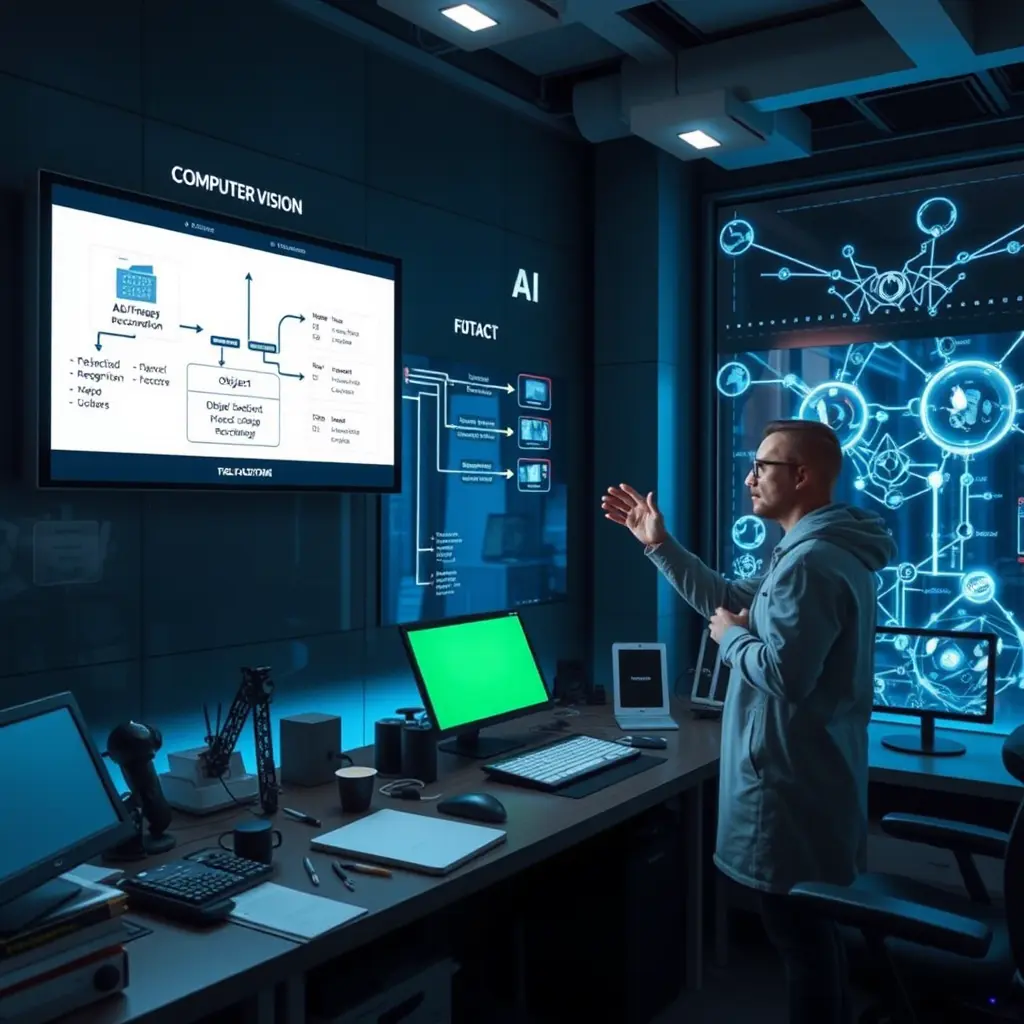
- Text-to-Image: Generating images from text prompts (e.g., “a sunset over a mountain lake”).
- Image-to-Text: Creating captions or descriptions for images (e.g., accessibility tools).
- Image-to-Video: Turning static images into dynamic videos with added motion.
- Text-to-Video: Producing videos directly from text descriptions (e.g., “a dog running in a park”).
- Image Classification: Labeling images with categories (e.g., “cat,” “car,” “beach”).
- Image Feature Extraction: Detecting patterns or elements (e.g., edges, shapes) for tasks like style transfer.
- Key Point Detection: Identifying specific points (e.g., body joints, facial landmarks).
- Object Detection: Locating and classifying objects in images/videos using bounding boxes (e.g., for self-driving cars).
Each task highlights the diverse capabilities of computer vision in interpreting, transforming, and understanding visual data.
Audio Generation
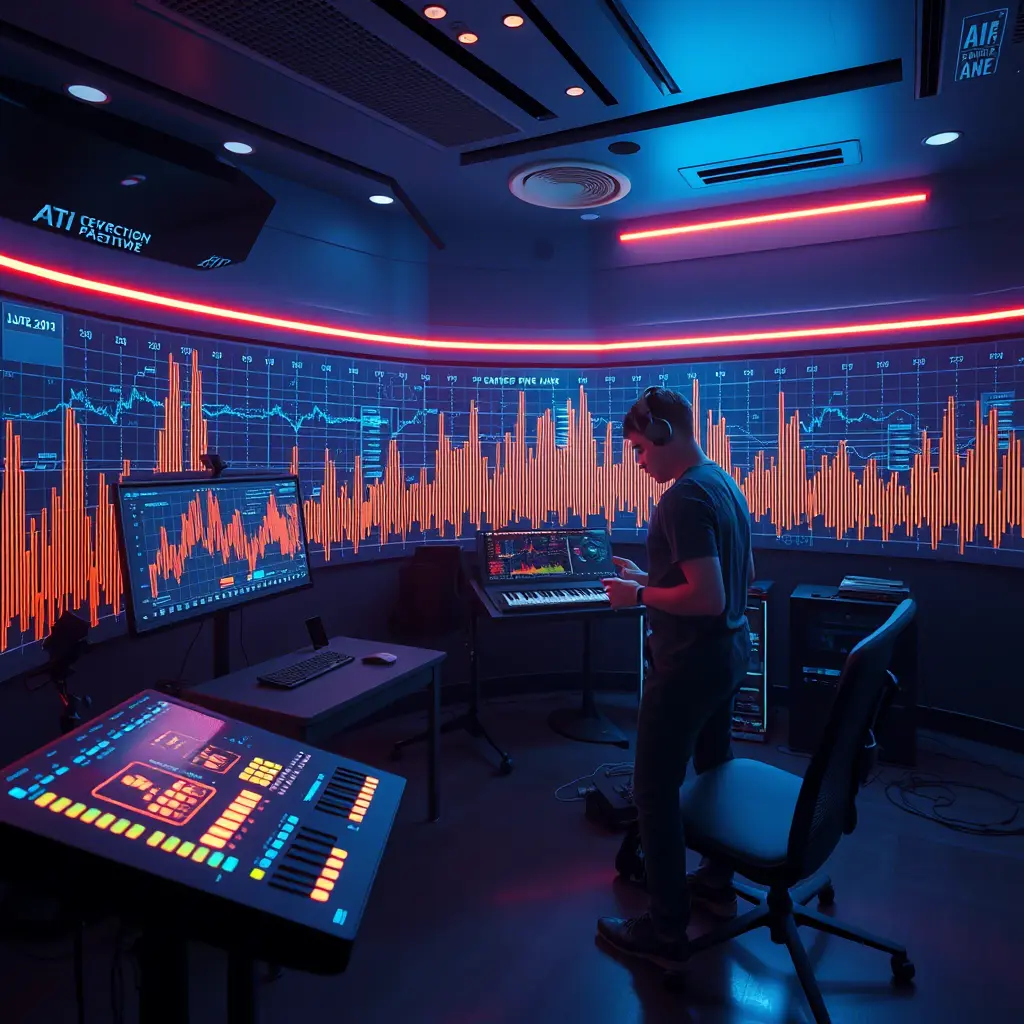
Audio Generation is a type of AI capability that involves creating, transforming, or interpreting audio data. It enables machines to produce human-like speech, generate sound effects, or classify and process audio inputs for various applications. Here’s a short description of each task within Audio generation:
- Text-to-Speech: Converting text into natural-sounding speech for virtual assistants, audiobooks, and accessibility tools.
- Text-to-Audio: Generating audio outputs like music or sound effects from text, enhancing creativity in media.
- Automatic Speech Recognition: Transcribing spoken language into text for voice typing, transcriptions, and voice commands.
- Voice Activity Detection: Detecting speech segments in audio, separating them from silence or noise for analytics and commands.
- Audio Classification: Categorizing sounds (e.g., barking, horns) for surveillance, tagging, or environmental analysis.
Each task demonstrates the versatility of audio generation and processing, enabling machines to interact with and interpret sound in ways that mimic or assist human capabilities.
Multimodal Models
Multimodal Models are advanced AI systems capable of processing and integrating multiple types of data—such as text, images, audio, and video—to perform tasks that require understanding and generating content across different modalities. These models bridge the gap between various forms of information, enabling richer and more versatile interactions. Here’s a short description of each task within Multimodal models:
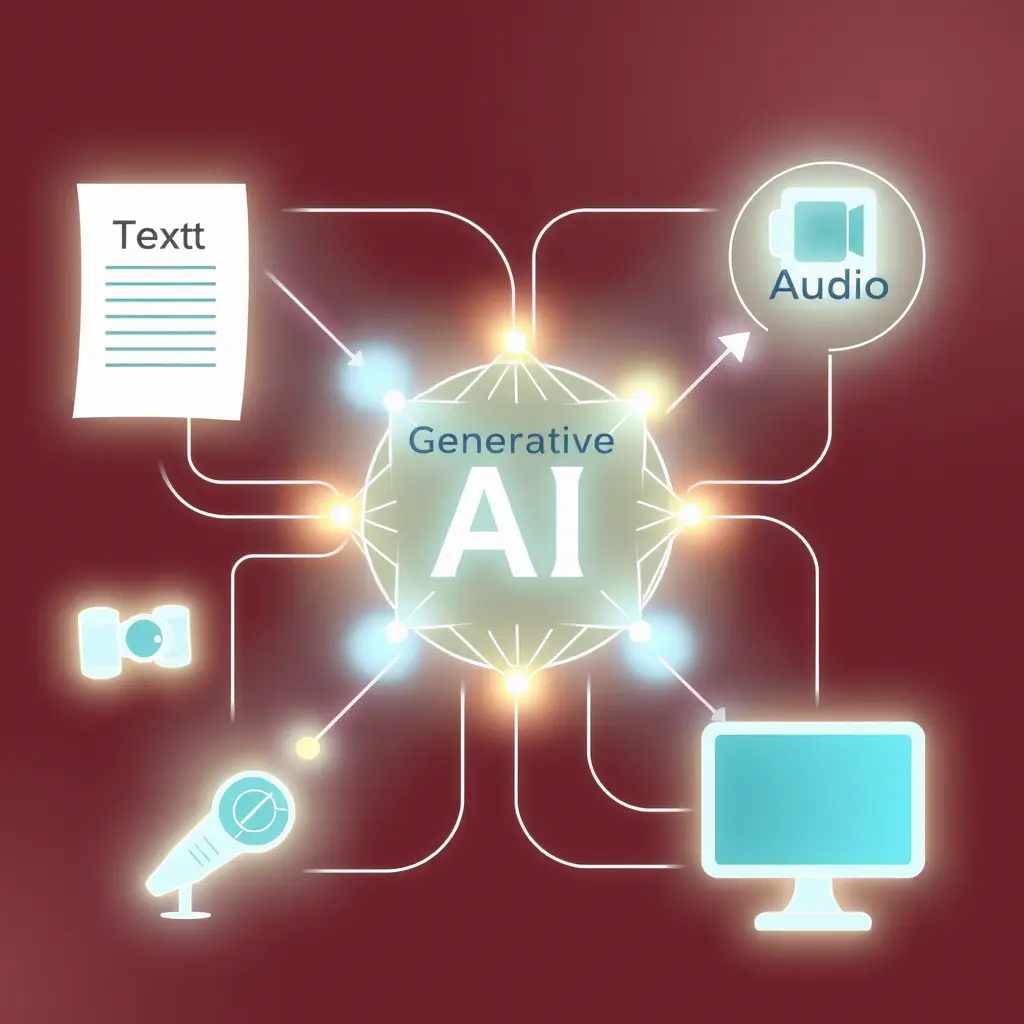
- Image-Text-to-Text: Generating descriptive text by analyzing images and related text, such as answering questions about diagrams or adding captions to visuals.
- Audio-Text-to-Text: Producing written outputs by interpreting audio and text inputs, like summarizing meetings or transcribing discussions with key insights.
- Video-Text-to-Text: Creating textual summaries or descriptions by analyzing videos and associated text, such as explaining movie scenes or extracting tutorial details.
- Visual Document Retrieval: Extracting specific information from documents containing visuals and text, like pulling data from charts or scanned PDFs.
- Any-to-Any: Transforming any input (text, image, audio, video) into any output, enabling cross-modal tasks like turning speech into images or videos into text summaries.
Each task highlights the adaptability and power of multimodal models, which unify diverse data types to solve complex, real-world problems in creative and innovative ways.
AI-Powered Platforms
The table below provides a summary of freely accessible AI platforms, including Google Gemma, Qwen, DeepSeek, and MistralAI. Each offers open-source access or a free usage tier, enabling users to explore and experiment.
| Platform | Description | Link(s) |
|---|---|---|
| Google Gemma | Text and image-understanding AI assistant for human-quality text, translation, Q&A, and tasks. | AI Studio, Gemini, Google AI |
| Qwen (Alibaba Cloud) | Family of LLMs for image generation, text generation, coding, and multi-language support. | Chat Qwen |
| DeepSeek | Series of LLMs for code generation, text summarization, and reasoning. | Chat DeepSeek |
| MistralAI | AI for Q&A, web search, data analysis, visualizations, file processing, code execution, and image generation. | Chat Mistral |
| Meta AI (Research Demos) | Free access to demos like Make-A-Video (text-to-video) and AudioCraft (audio generation). | Meta AI Demos |
| Hugging Face Spaces | Community-built apps for image generation, video generation, 3D modeling, etc. | Hugging Face Spaces |
In the next post, we evaluate the versatility of modern LLMs—focusing on reasoning, coding, and mathematical capabilities.